
Doctor William Bryant was a Yale educated physician who traveled to France to study surgery. In 1759, he began service with the British army as a "staff surgeon." In 1767 he retired as a half pay surgeon with a pension and in 1769 bought the house and its property, at that time named “Kingsbury.”
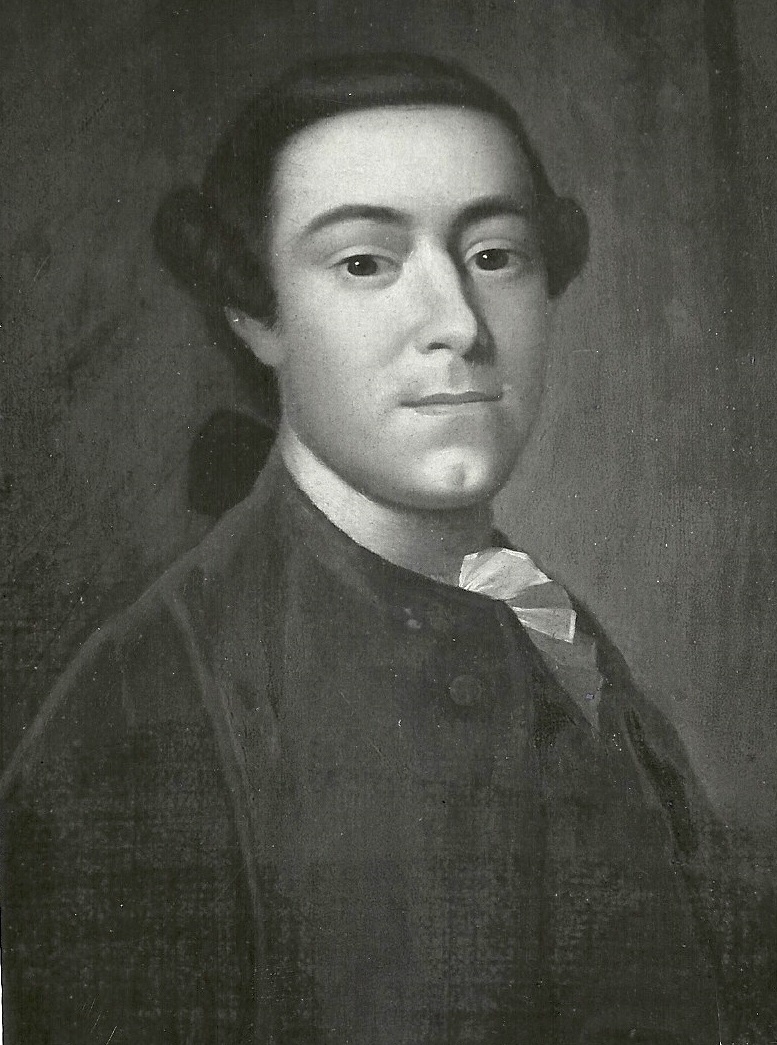
In 1776, the Burlington Committee of Safety placed Bryant on parole in case he might be planning to join the British army. He was restricted to a 12-mile radius of Trenton, which was later expanded to 30 miles so that he could conduct business in Princeton and Philadelphia. During the days surrounding both battles in Trenton, the Hessian troops maintained pickets and guard posts on and near Bryant's property, patrolling the banks of the Delaware River against harassing attacks from Patriot militia.
It has long been believed that Bryant was a Loyalist, actively supporting the British cause. For example, it was reported that shortly before the first Battle of Trenton, Bryant warned Colonel Rall, commander of the Hessians stationed there, of an impending attack by Washington's army. His information, supposedly obtained from an enslaved African, was that the rebels had drawn several days' rations in preparation for advancing on Trenton. Bryant’s warning was supposedly ignored by the over-confident Rall, with his response recorded as "This is all idle chatter. It is old women's talk."
However, there is strong evidence against this story, based on research by local historian and author, William (Larry) Kidder, as he explained in his talk at the Trent House on April 20, 2022. For example, Washington did not inform his officers of his plans for the attack on Trenton until December 23rd and soldiers were not issued multiple days’ rations until December 24th.
Kidder also argues that it is difficult to say whether Bryant was a Loyalist or a Patriot. There is no evidence that he supported or opposed the acts of Parliament or boycotted British goods like tea. He was not harassed nor had his property confiscated as did outspoken Loyalists living in Trenton. He continued practicing medicine even after he sold his property in 1778 and moved into the town of Trenton where he died in January 1786.
John Cox, born in 1732, was a prominent, wealthy Philadelphia merchant. He was a patriot and held both governmental and military positions during the Revolutionary War. Pennsylvania’s government appointed Cox a Justice of the Peace for Burlington and Gloucester Counties, and he served on the Committee of Observation for Burlington County, which enforced the boycott of British goods enacted by the First Continental Congress.
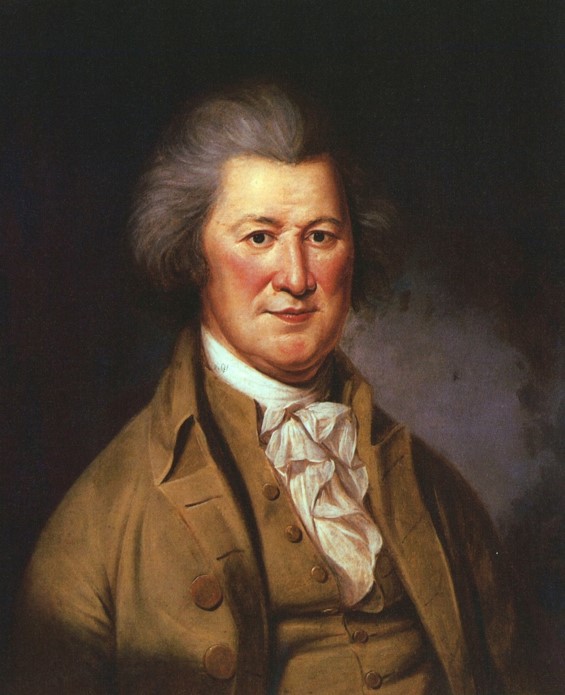
In 1775 he was appointed Major in the Pennsylvania Associated Militia and became a Lieutenant Colonel in1776. In that year he fought in the battles of Trenton and Princeton. In 1778 he purchased the Kingsbury property from Bryant and renamed it Bloomsbury. In the same year he was appointed Assistant Quartermaster of the Continental Army under General Nathaniel Greene.
As Quartermaster, Cox drew on his skills in business in provisioning the army. From 1770-1779, Cox owned the Batsto Iron Works in Burlington County, which produced cannon barrels and lead shot for the war. He made Bloomsbury a supply depot for the Continental army. In 1781 French artillery along with officers and troops encamped there alongside the Continental Army during their combined march to Yorktown and eventual victory over British General Cornwallis.
Cox was friends with the Washingtons, Generals Knox and Greene, Le Comte de Rochambeau, the Marquis de Lafayette, and other Revolutionary leaders, entertaining them at Bloomsbury. Cox’s wife Esther and their daughters were among the women of the Trenton area who welcomed Washington as he traveled through Trenton in 1789 on route to his first inauguration.
Cox returned to Philadelphia in 1792 and died in 1793.
The name of the house that William Trent built in the early 1700s – Kingsbury and then Bloomsbury – may more accurately represent its history before the Revolutionary Way than the avowed allegiance of its owners during the War.
Bryant inherited the name when he bought the property in 1769, seven years before the Declaration of Independence although during a period of tension and organized protests and boycotts of British goods. Even so, Bryant’s story, and the stories of others in Trenton, tell us much about how people in Trenton grappled with difficult decisions about which side to support in the American Revolution and how public and vigorous their support would be. In Bryant’s case, if he were to declare himself a Loyalist, he would have his property confiscated. If he declared himself a Patriot, he would lose his British Army Pension. He apparently resolved this dilemma by selling his elegant house and large estate to John Cox and taking up a less prominent life in the small town of Trenton.
Trenton during the Revolution was described by a member of the French army as a “beautiful village” of about 500 people. Its residents included avowed Patriots and Loyalists as well as those, who like Bryant possibly was, just wanted to live safely in their homes during the long years of the Revolutionary War.
To learn more about the Trent House during the Revolution, see the section on “Trenton At War” on the Trent House website (https://www.williamtrenthouse.org/trentonatwar.html). There you can view the recording of Larry Kidder’s April 2022 talk on Dr. William Bryant and find out about more than forty residents during those crucial years on Trenton’s Eyewitness to the Revolution cards.