
There are cities with history, and then there is Trenton, a place where American identity was forged, where industry reshaped a nation, where transportation connected regions, where civil rights leaders stood tall, and where athletic and cultural legends found their stage. Downtown Trenton is not simply rich in history; it is built from it. That is why we proudly call it "the Most Historic Small City in the USA" a destination where every block tells a story and every season brings it to life.
Downtown Trenton is where the American Revolution moved from idea to action. It was here, on July 8, 1776, that the Declaration of Independence received its first public reading outside Philadelphia, echoing down what was then King's Street and igniting the spirit of a new nation. Just months later, Trenton became the turning point of the war itself. The First Battle of Trenton shattered British confidence, and the Second Battle of Trenton at the Assunpink Creek forced the enemy into retreat and set the stage for Washington's daring march to Princeton.
Trenton's revolutionary story didn't end on the battlefield. When Washington returned on his Victory Tour, he was greeted at a Trenton tavern by the Ladies of Trenton, a group of women activists who honored him with a poetic tribute and a triumphal arch celebrating liberty, courage, and the promise of the new republic. Their voices often overlooked in traditional histories are part of the city's living legacy of civic leadership.
Walk downtown today and you're standing on the ground where the nation's fate pivoted. The Old Barracks Museum and the Battle Monument anchor a district where visitors can literally trace the footsteps of Washington's troops. Trenton's revolutionary heritage isn't a chapter in a textbook; it's a living experience, written into the streets, the stories, and the spirit of the city.
Trenton's industrial story is one of American ingenuity at its finest. This is the city whose Roebling steel helped lift the Brooklyn Bridge into the skyline of New York, setting a global standard for engineering excellence. It's where world‑renowned porcelain houses like Boehm, Stengel, and Lenox transformed craftsmanship into artistry, producing pieces collected in homes, museums, and presidential residences. Trenton's factories also turned out millions of cigars, fueling a little‑known but thriving manufacturing trade, while its rubber mills supplied products that reached markets across the country.
From iron and steel to pottery, cigars, and rubber, Trenton powered America's industrial rise. "Trenton Makes, The World Takes" wasn't a slogan, it was a fact. Today, Downtown's historic factories, warehouses, and mill buildings have found new life as studios, maker spaces, offices, and creative hubs, proving that innovation is still the city's defining trait.
Trenton has been moving America forward since the nation's earliest days. It was here that John Fitch launched the country's first successful steamboat, setting the stage for modern water travel. The Delaware & Raritan Canal later became one of New Jersey's most important transportation corridors, its innovative swing bridges allowing everything from mule‑drawn boats to tall‑masted ships to pass freely. Trenton also produced Mercer automobiles, early icons of American engineering, and forged the Roebling steel that anchors the Brooklyn Bridge, one of the most celebrated feats of 19th‑century infrastructure.
And Trenton didn't just innovate, it connected. In 1806, the city opened the first bridge ever to span the Delaware River, a groundbreaking wooden structure designed by Theodore Burr that drew national attention and was hailed as a marvel of engineering. That legacy of motion and ingenuity still defines Downtown today.
Few small cities can match Trenton's connectivity. Downtown sits at the center of the Northeast Corridor, with NJ Transit, Amtrak, SEPTA, major bus lines, and immediate access to I‑95, Route 1, Route 29, and the Trenton–Mercer Airport. Whether you're arriving for a weekend getaway or commuting to New York or Philadelphia, Trenton is one of the easiest destinations to reach on the East Coast.
Trenton's civil rights history is written in the names of its people, its churches, and its courtrooms. Mount Zion A.M.E. Church, Shiloh Baptist Church, St. Paul A.M.E. Zion, and Union Baptist Church were more than houses of worship—they were organizing hubs where Black Trentonians planned boycotts, voter‑registration drives, and campaigns against housing and job discrimination (Trenton Historical Society). In the mid‑20th century, Trenton became a landmark in school desegregation when parents and local NAACP leaders challenged the city's dual school system, leading to the Hedgepeth‑Williams case, which struck down segregation in Trenton's junior high schools and helped shape New Jersey's civil rights law (Three Centuries of African-American History in Trenton).
Community institutions from Black fraternal lodges and women's clubs to neighborhood schools like Bellevue Avenue Colored School (Lincoln School) nurtured generations of leaders who pushed for equality in education, employment, and public life (Trenton Historical Society). Today's downtown festivals, multicultural food scene, public art, and civic coalitions are the living heirs of that work. Trenton's diversity is not just demographic; it is the outcome of a long, deliberate struggle for justice that continues to shape the city's identity and its welcome to visitors.
Trenton's athletic legacy stretches across sports and generations. In the 1930s, the city fielded the Trenton Blue Jays, a minor‑league football team that drew crowds and helped cement Trenton's reputation as a competitive sports town long before modern franchises arrived. The city's venues also hosted legends: Willie Mays played in Trenton during barnstorming exhibitions that electrified local fans, and Joe Louis—the world‑famous Brown Bomber—fought and trained here, strengthening Trenton's identity as a boxing powerhouse.
From historic boxing gyms to championship basketball, from the Cure Insurance Arena to Arm & Hammer Park, downtown Trenton has always been a home for athletes and fans. Concerts, baseball games, expos, and performances fill the calendar year‑round. The War Memorial, Masonic Temple, and Patriots Theater offer world‑class entertainment in architecturally stunning venues, making Downtown Trenton a place where sports, culture, and community come together in every season.
Spring in Downtown Trenton arrives with a sense of renewal. Cherry blossoms spill over Mill Hill Park, runners and cyclists return to the D&R Canal, and early outdoor markets begin popping up across the city. The season brings cultural celebrations like the African American Cultural Festival, warm‑up events for Art All Day, and the Anime Fest, the reopening of neighborhood gardens and waterfront paths. As the weather turns mild, downtown's historic districts feel freshly awake.

Summer turns Trenton into a city of festivals, food, and riverfront energy. First Fridays and Taste of Trenton showcase global cuisine, while the House Music Festival, Juneteenth Freedom Celebrations and the Puerto Rican Day Festival fill downtown with music, dance, and pride. Trenton Thunder baseball lights up Arm & Hammer Park, and warm nights along the Delaware River draw families for picnics, kayaking, and community gatherings. The Cure Insurance Arena adds concerts and expos that keep the season buzzing.
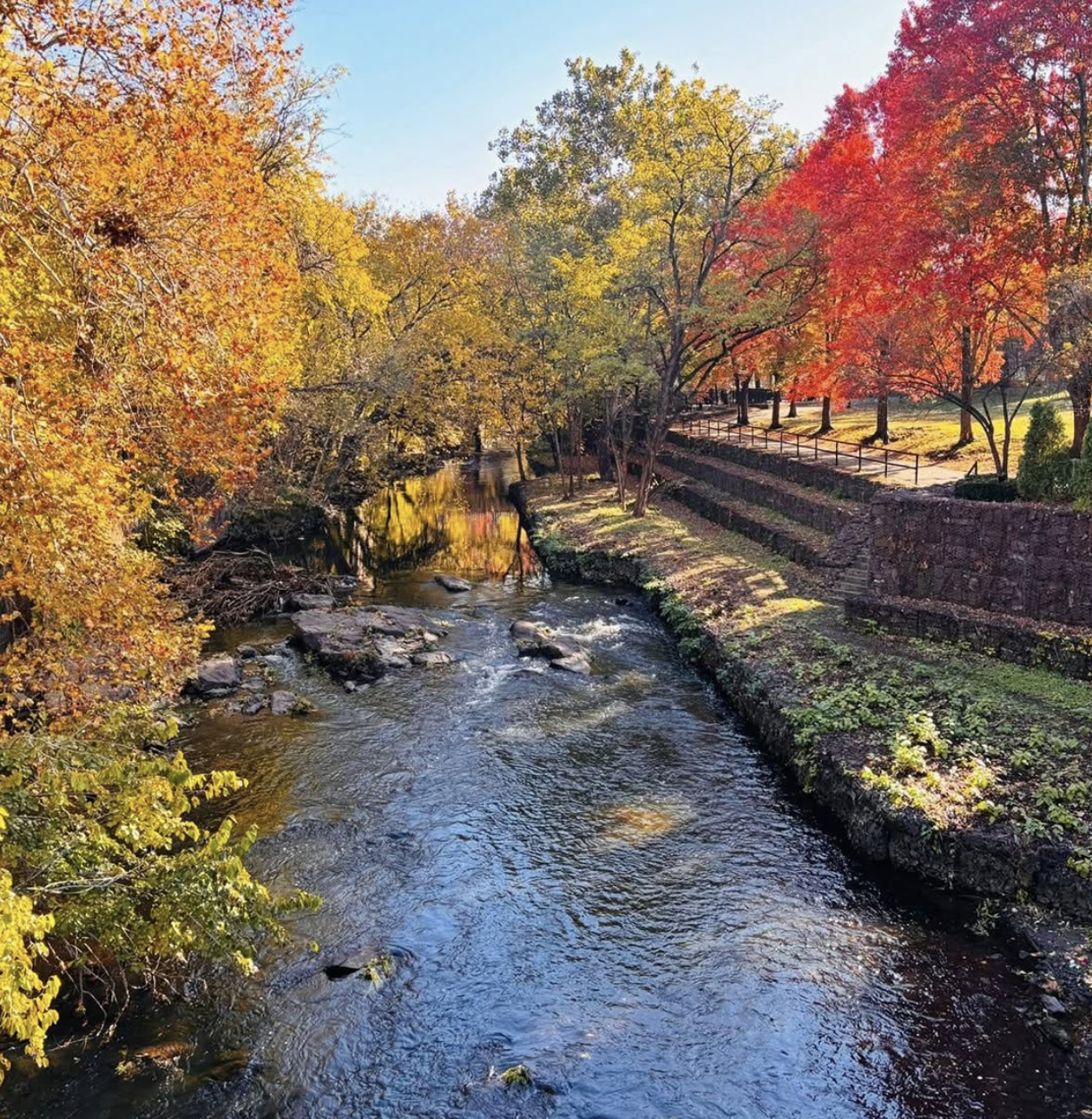
Fall is when Trenton's history steps forward. Crisp air sets the stage for the Revolutionary Mile Team Challenge, heritage walking tours, and the city's signature creative event, Art All Day, which opens studios, factories, and galleries across downtown. The Revolutionary Mile Team Competition, University homecomings and civic lectures bring students and alumni into the city, while neighborhood tours in Mill Hill and the Capital City Open Streets program make exploring downtown feel effortless and vibrant.
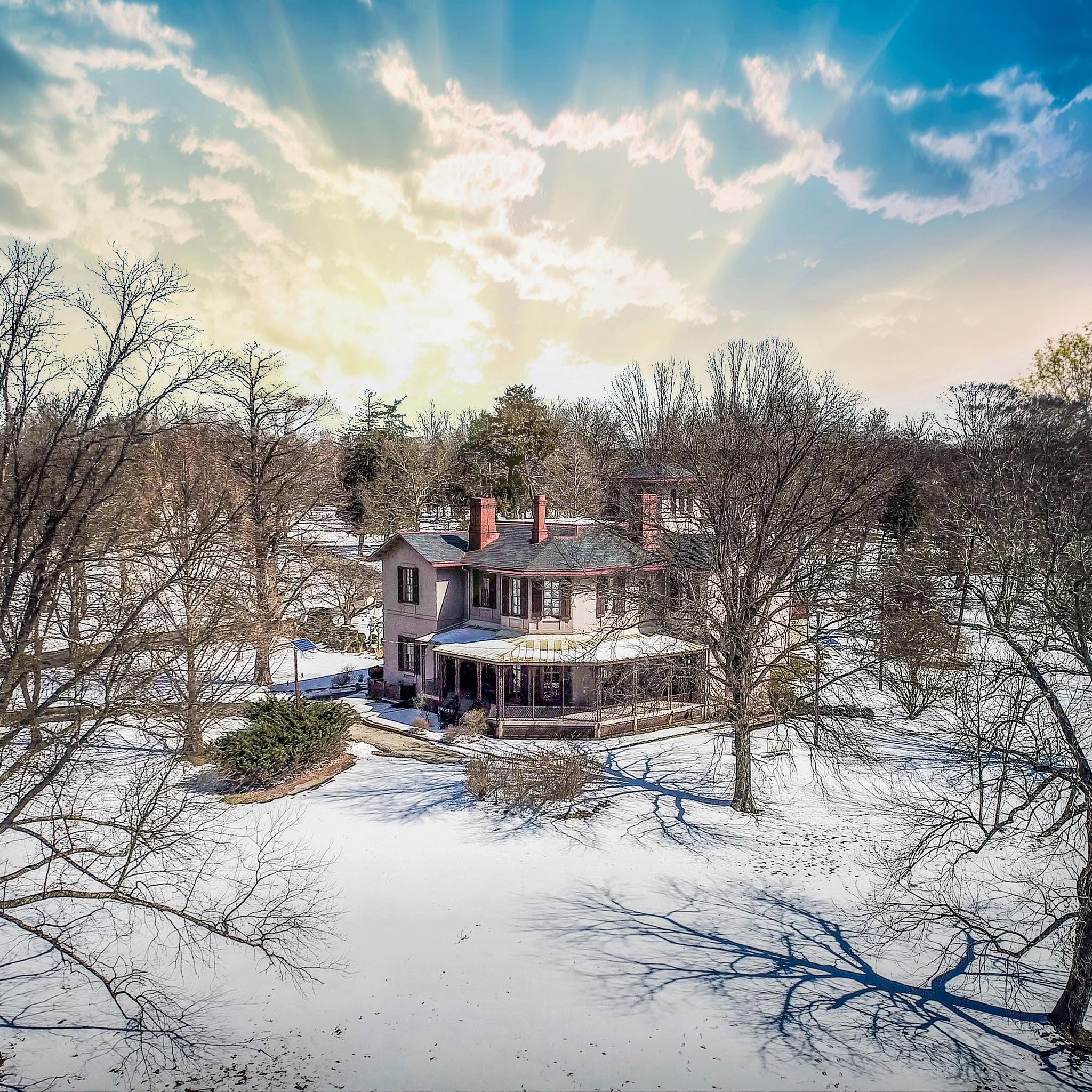
Winter wraps Downtown Trenton in tradition and light. Patriots Week transforms the city into a living Revolutionary landscape with reenactments, talks, and tours. Holiday markets glow under historic architecture, Mill Hill's Holiday House Tours casts a warm shimmer through the neighborhood, and the Battle of Trenton reenactment draws visitors from across the region. Seasonal lights brighten the War Memorial, the State House, and downtown streets, giving the city a festive, historic charm that lasts through the cold months.
Downtown Trenton is more than a place to visit. It's a place to experience. Trenton is "the most historic small city in the USA" because its past is visible, its present is vibrant, and its future is being built every day by residents, students, entrepreneurs, artists, and leaders who believe in its promise.
Whether you come for the history, the food, the arts, the entertainment, or the energy of a city on the rise, you'll find something happening here in every season, on every block, and in every moment.