
Across the country, house music is experiencing a renaissance. Cities like Chicago, Newark, Philadelphia, and New York are seeing a surge of outdoor dance gatherings, DJ‑centered festivals, and community‑driven celebrations that reclaim public space through rhythm and movement. What began decades ago in underground clubs and neighborhood basements has reemerged as a national cultural force, one that honors Black and Latino musical traditions and brings people together across generations.
Trenton is part of that resurgence in a way that feels both unexpected and completely natural. For years, the capital city has quietly sat at the crossroads of several powerful musical ecosystems: Philadelphia’s club lineage, New York’s dance‑music history, Newark’s deep house culture, and the Black and Latino social‑dance traditions that shaped central New Jersey. That overlap has made Trenton fertile ground for DJs, dancers, and party‑makers who understand house not just as a genre, but as a community.
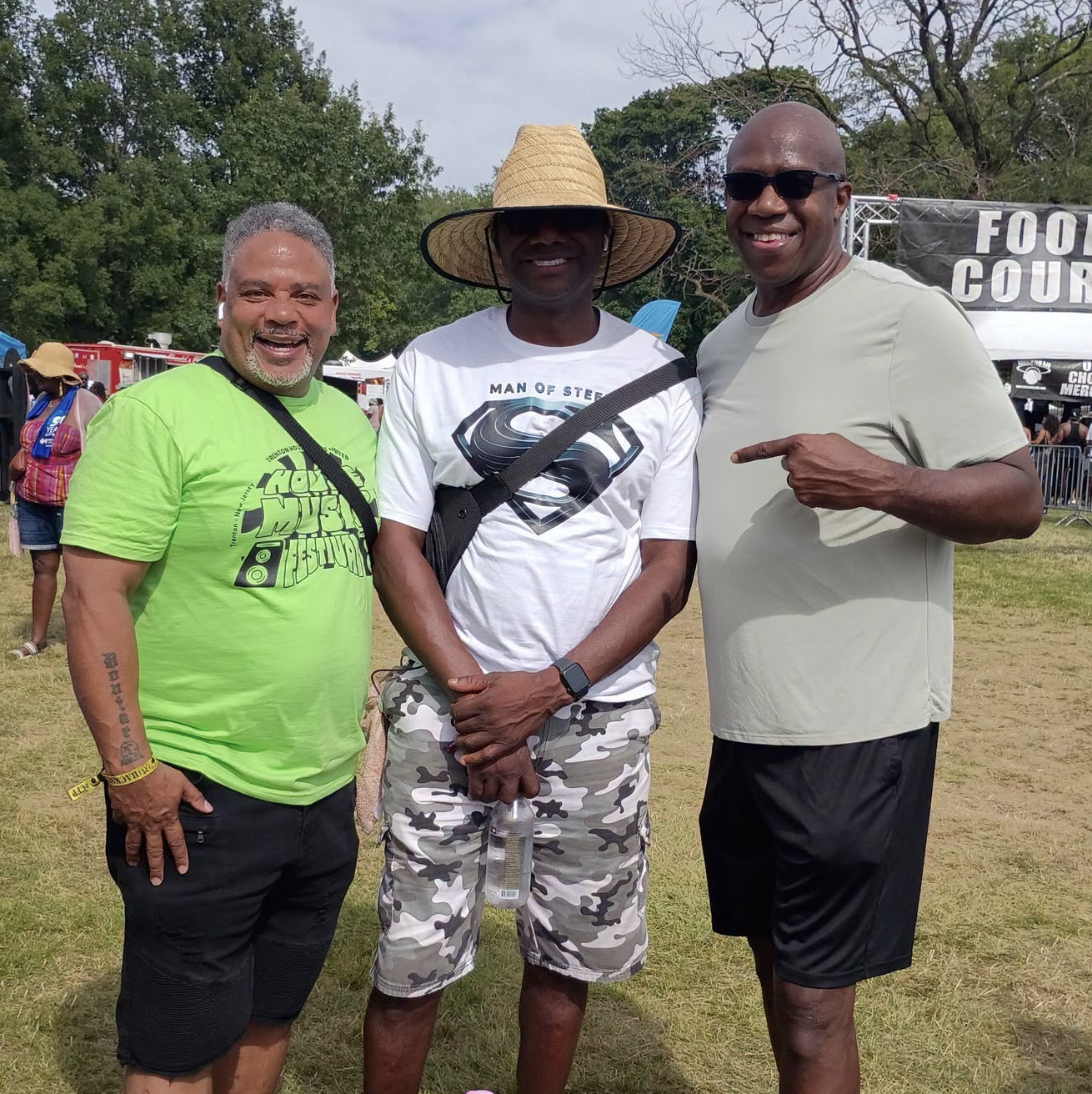
Few people embody that connection more clearly than Mark Gibson, founder of the Trenton House Festival. What began as a local gathering has grown into one of the city’s most anticipated cultural events, attracting 3,000 plus fun loving movement and rhythm fans to Trenton’s Mill Hill park each summer to celebrate movement, joy, and the shared musical heritage that runs through Trenton’s neighborhoods. Gibson didn’t set out to create a festival that would redefine the city’s cultural identity. He simply wanted to give Trenton a space to express itself. But in doing so, he tapped into something deeper: a musical continuum that has always been present, waiting for a moment to rise.
Mill Hill Park in August during the festival feels alive in a way that’s hard to capture unless you’ve stood in the middle of it. The air carries a mix of warm summer scents, food trucks grilling, sweet notes from pop‑up vendors, the earthy smell of the creek drifting in as the breeze moves through the trees. You hear layers of sound folding into each other: the thump of bass rolling across the lawn, laughter rising from clusters of friends, kids weaving through the crowd, the rhythmic shuffle of dancers on the grass, and the occasional cheer when a DJ drops a track everyone knows by heart. Even the natural sounds, cicadas buzzing, water moving over stones, leaves rustling overhead, seem to sync themselves to the beat. It’s a sensory blend that makes the park feel less like a venue and more like a living, breathing part of the celebration.
Gibson often describes Trenton’s relationship to house music as “deeply regional and culturally fertile.” Unlike Newark or New York, cities with well‑documented house‑music histories, Trenton’s connection is more subtle, woven into the city’s geography and demographics. Trenton sits almost exactly where several musical ecosystems overlap, creating a natural crossroads where sounds circulate, blend, and evolve. House culture thrives in places where the DJ is the center of the night, not just an opening act for a band. Trenton has always understood that dynamic.
The city’s Black and Latino musical traditions also make the house feel at home here. Soul, gospel, funk, disco, R&B, hip‑hop, and Latin dance music have all had a strong cultural presence in Trenton. House music doesn’t arrive as an anomaly, it arrives as the next chapter in a long, interconnected story.

That story comes alive most vividly at the Trenton House Festival. When Gibson looks out at the crowd, he doesn’t just see people who came to hear house music. He sees generations meeting each other — people who remember what these parties felt like decades ago standing alongside younger people discovering that feeling for the first time. He sees Trenton showing itself in a different light: creative, joyful, connected, and full of people who care deeply about where they come from.
The festival has become a place where belonging is visible. People may come for the music, but they leave feeling like they were part of something bigger that they contributed to the energy of the room and that this culture is worth protecting and passing forward. For younger attendees especially, Gibson hopes the festival sparks a sense of ownership: This is ours. We can build this here. House music has always been about community, and the festival gives Trenton a chance to claim its place in that history and shape its future.
Mark’s team brings heart, structure, and community spirit to the Trenton House Festival. At the center is Deidre Rawls, President of THU, whose seven years of experience have made her a steady force for compassion and connection. She believes deeply in music’s power to heal, unite, and spark social change, and she channels that belief into every aspect of the festival’s community engagement. Alongside her is Ada McCullum, the festival’s Vendor Director, who ensures that every food truck, artisan, and small business has a smooth, stress‑free experience. Ada guides vendors through registration, setup, and the flow of the day, creating an environment where they can thrive and contribute to the festival’s energy. Together, Deidre and Ada form the backbone of the operation, blending care, organization, and a shared commitment to making the festival welcoming for everyone who steps into Mill Hill Park.
If someone unfamiliar with Trenton asked Gibson why house music matters here, he would tell them that house gives the city a way to tell its own story through movement, community, and sound. Trenton has always had a strong musical identity, but the house festival creates a space where all of those histories can meet the soul, disco, gospel, R&B, hip‑hop, and the broader New Jersey dance‑music tradition. It connects generations and links Trenton to the larger musical story of New Jersey and Philadelphia without asking the city to be anything other than itself.
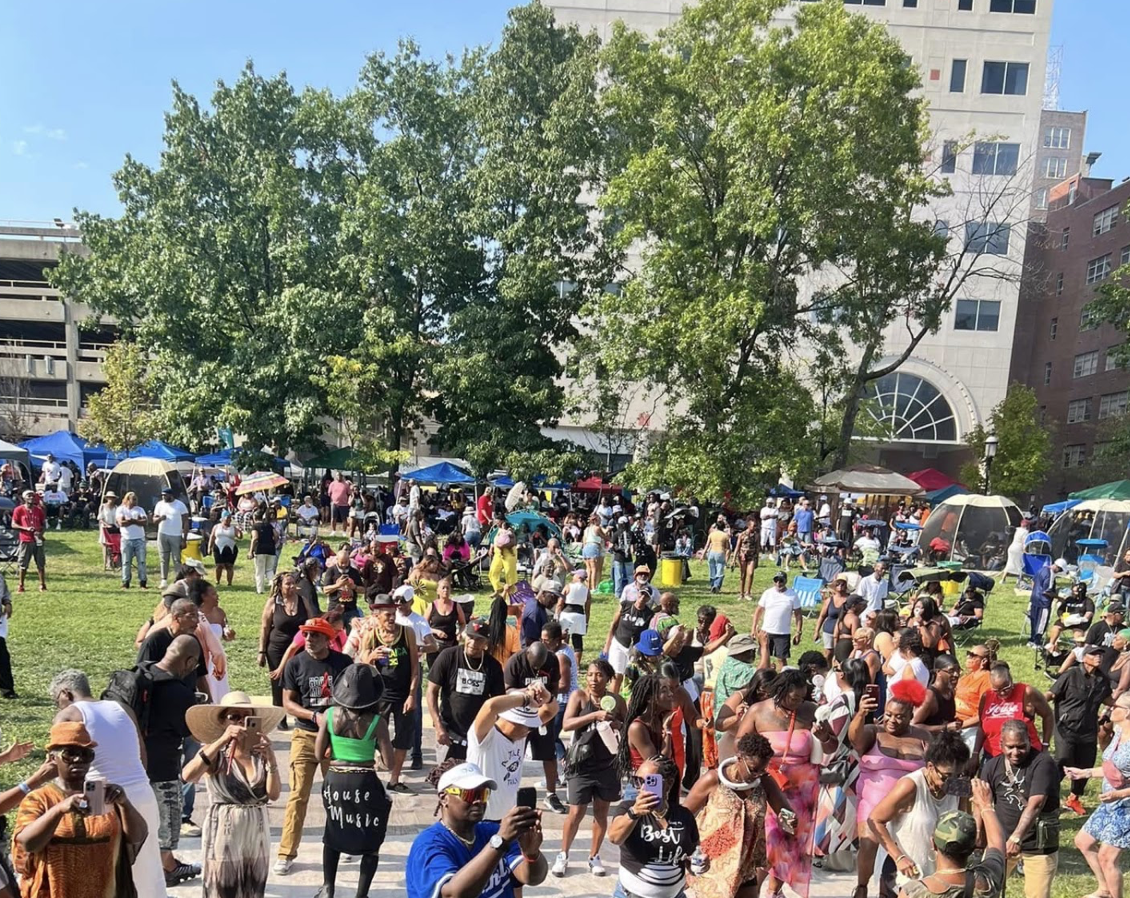
There is something especially powerful about bringing that energy back into Trenton. You can arrive at the festival as a stranger, but once the music starts, you’re dancing alongside your neighbors. The music breaks down barriers. It dissolves the distance between people. It turns a public space into a shared one.
House music in Trenton isn’t just something that happens here, it’s something people use to express what the city feels like: resilient, creative, and rooted in community…safe. The Trenton House Festival has become a cultural homecoming, a reminder that the city’s artistic identity is strong and evolving. In a moment when cities everywhere are rediscovering the power of music to bring people together, Trenton’s house culture stands out for its sincerity, its roots, and its sense of home.
The beat is familiar, but the story is uniquely Trenton… and it’s still being written. Gibson parted with a smile and a commitment, “ just wait until next year”! We are looking forward to the next chapter and thank you for the energy you bring to Trenton and the region!